

Self Plagiarism: Definition, Common Scenarios & Prevention

You finish a paper, look back at something you wrote months ago, and think: “I already explained this well before—can I use it again?” It seems like a simple and reasonable choice.
But in academic publishing, reusing your own writing can sometimes trigger originality or ethical concerns.
So where do journals usually draw the line between acceptable reuse and problematic overlap? When does repeated wording start becoming a submission risk?
This article explores the answers in detail. Let’s get started.
What Is Self Plagiarism?
Self-plagiarism happens when researchers reuse their own previously submitted or published work without clearly acknowledging the original source. Unlike traditional plagiarism, it does not involve copying another person’s ideas. Instead, it involves presenting recycled content as if it were completely new.
Self-plagiarism is mainly concerned with transparency and originality. Journals and academic institutions may evaluate whether reused material has been properly disclosed and whether a new submission provides a sufficiently original contribution.
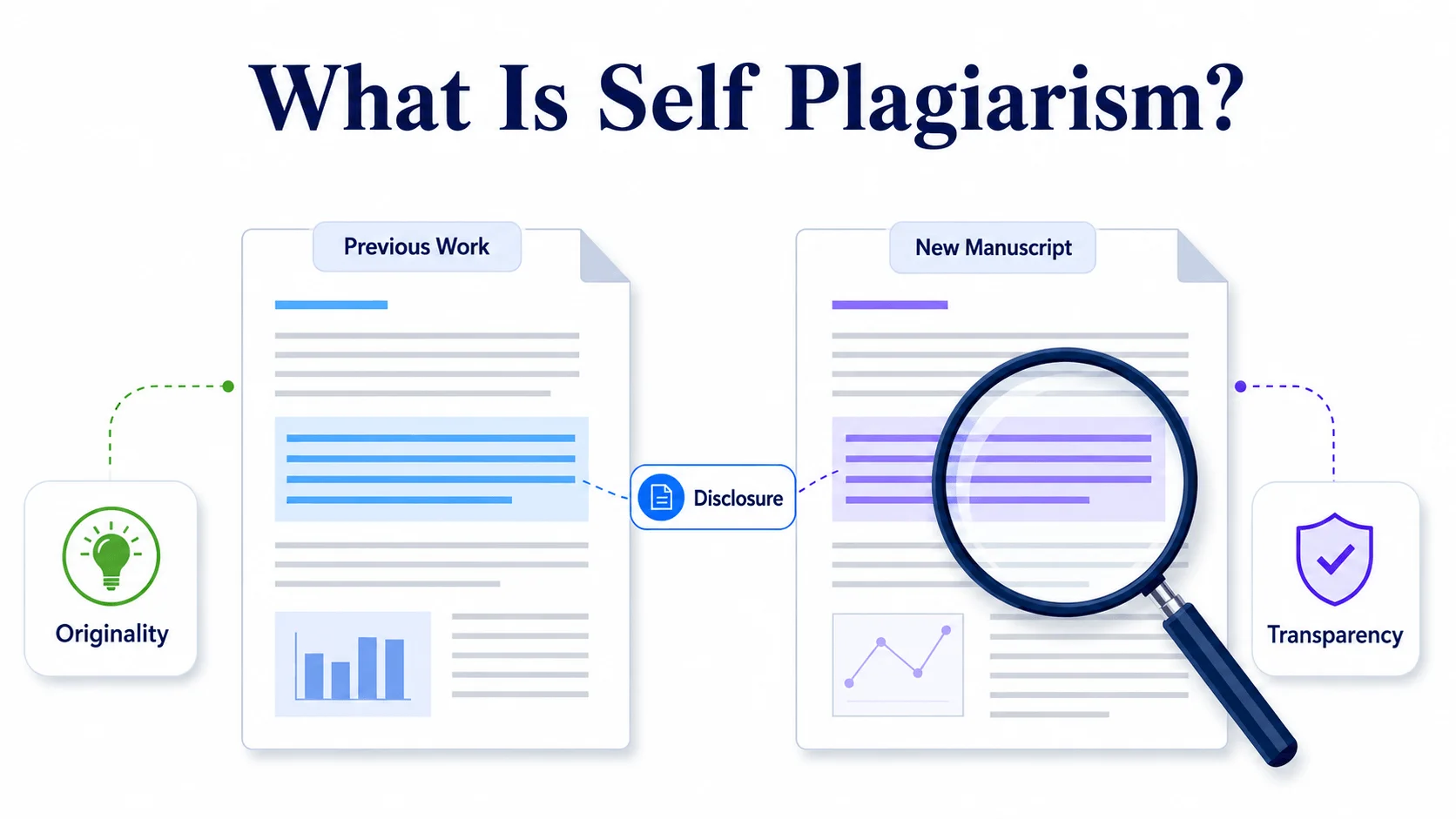
For example, a researcher may copy paragraphs from an earlier paper into a new manuscript without citation. Others may publish multiple papers based on the same dataset with only minor changes. In some cases, authors submit the same article to different journals or reuse previously published figures without disclosure.
Common Forms of Self-Plagiarism in Academic Publishing
In practice, self-plagiarism does not always look the same. Depending on how previously published material is reused, the issue can appear in several different forms during academic writing and journal submission, including:
1. Reusing Published Text
Text recycling is one of the most common forms of self-plagiarism. Researchers may reuse parts of previously published introductions, literature reviews, methodology sections, or discussions in later manuscripts without proper citation.
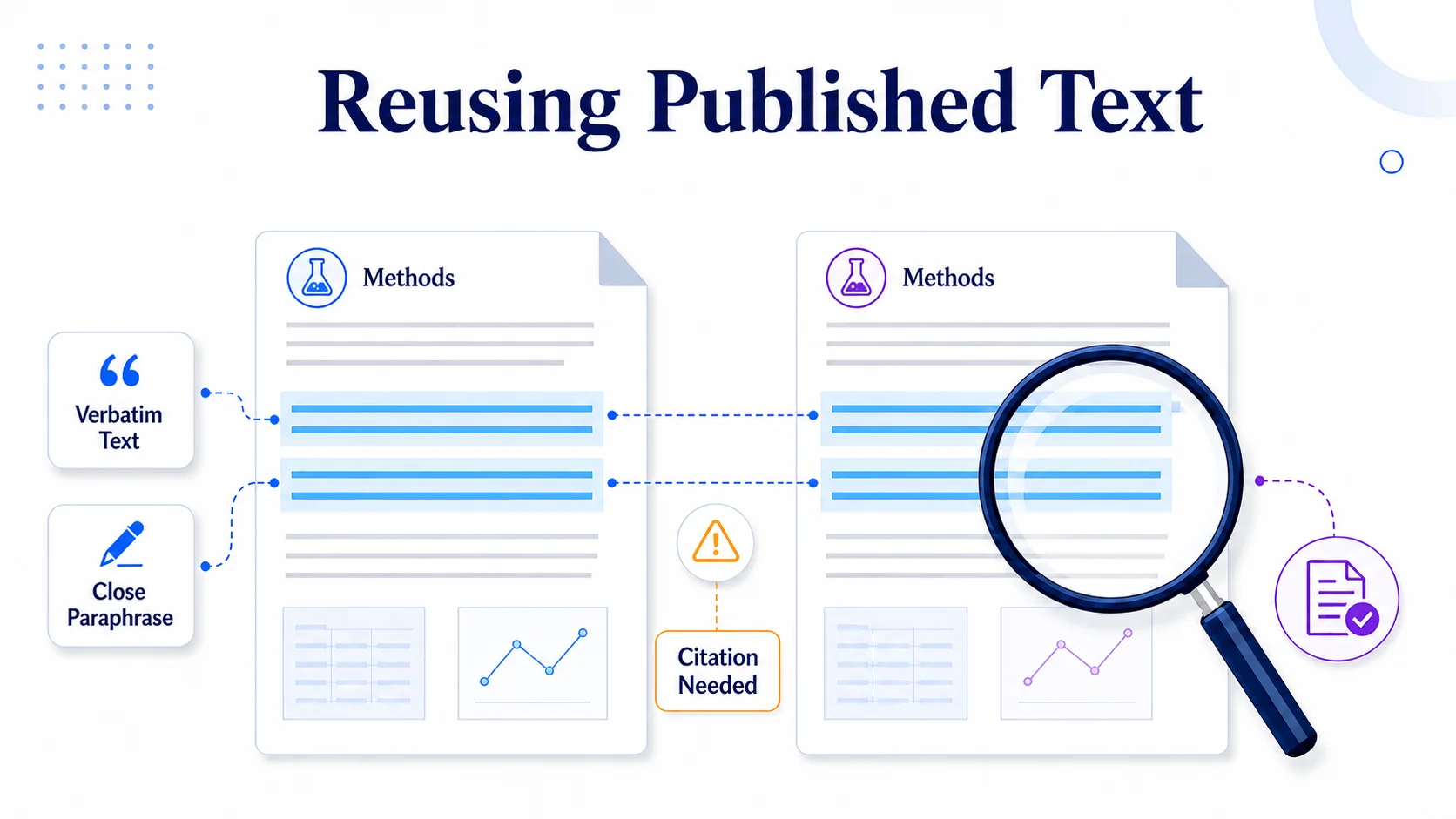
This overlap may involve:
Verbatim reuse of sentences or paragraphs
Close paraphrasing with minimal wording changes
Reusing thesis or conference paper content in journal submissions without disclosure
Method sections are particularly vulnerable because similar procedures are often used across related studies.
2. Duplicate or Redundant Publication
Duplicate publication occurs when highly similar studies are published as separate papers. In some cases, authors submit overlapping manuscripts to multiple journals or make only minor revisions while presenting the work as new research.
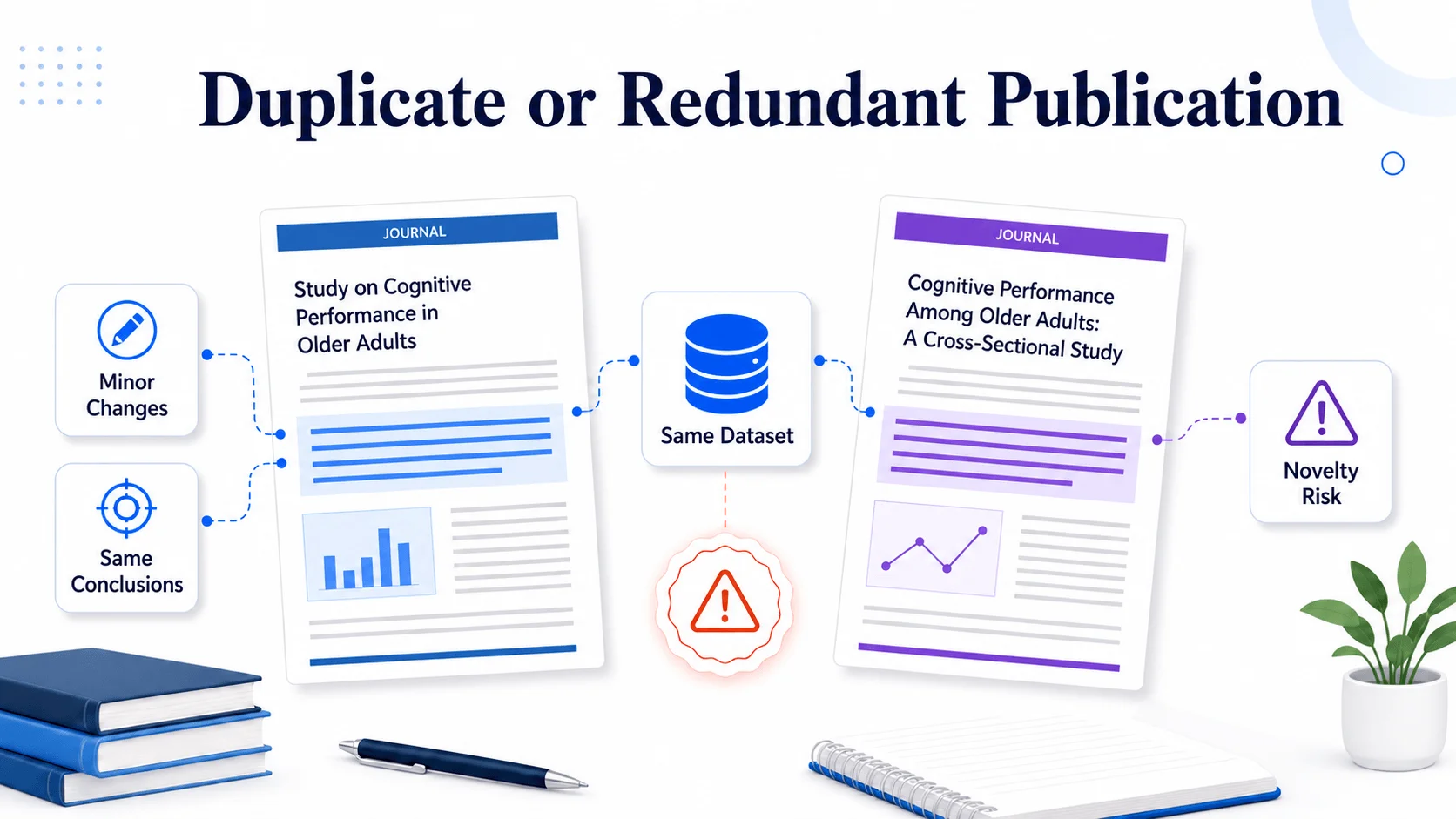
The core dataset, analysis, or conclusions may remain largely unchanged despite differences in titles or structure.
3. “Salami Slicing” Research Findings
“Salami slicing” refers to splitting one substantial study into several smaller papers with overlapping findings.
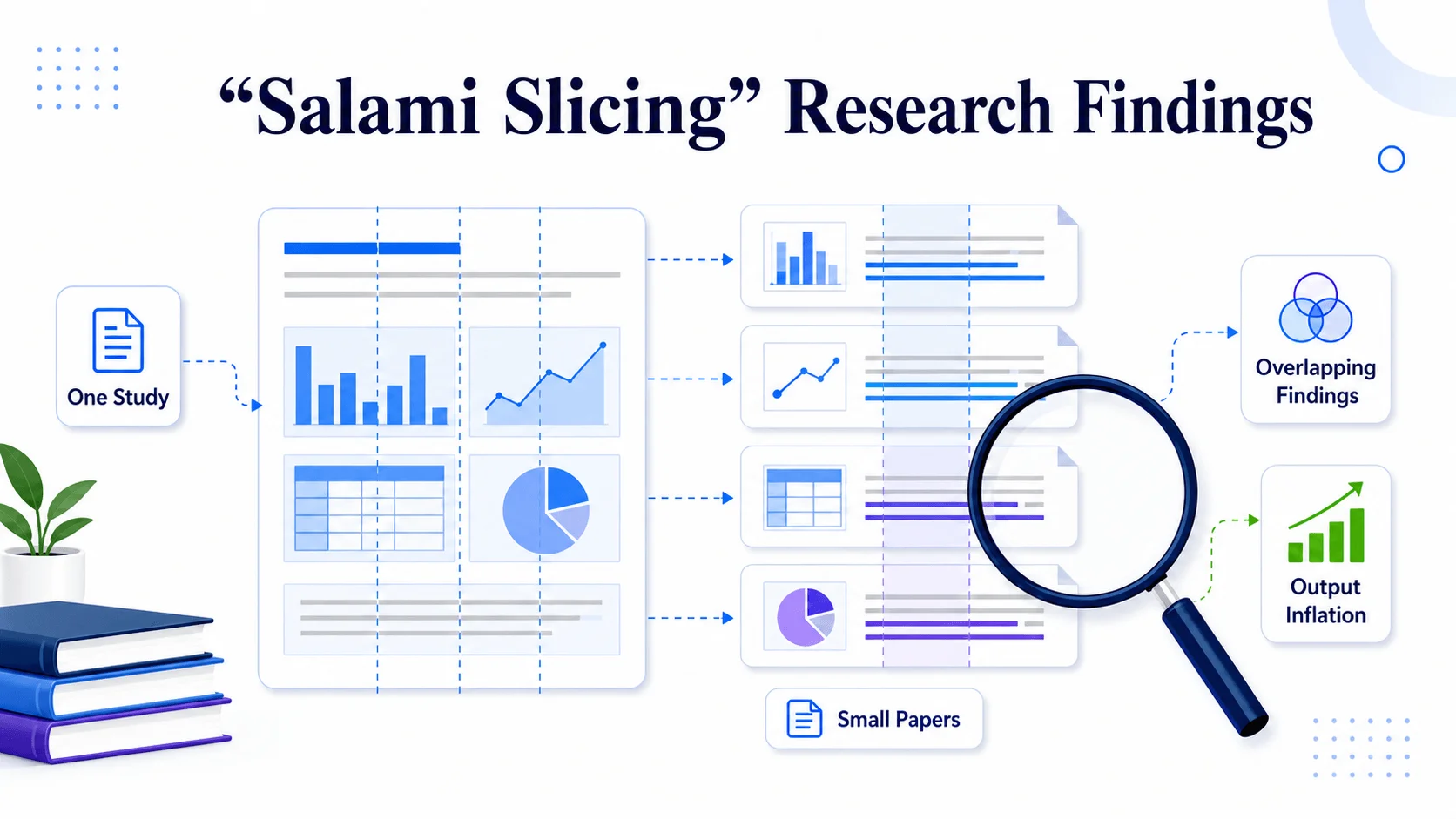
Instead of presenting a complete analysis in one publication, researchers divide the results into multiple articles to increase publication output. Many journals now monitor this practice more closely because it can exaggerate the appearance of research productivity.
4. Reusing Figures, Tables, or Data
Self-plagiarism can also involve reusing previously published figures, tables, images, or datasets in new manuscripts.
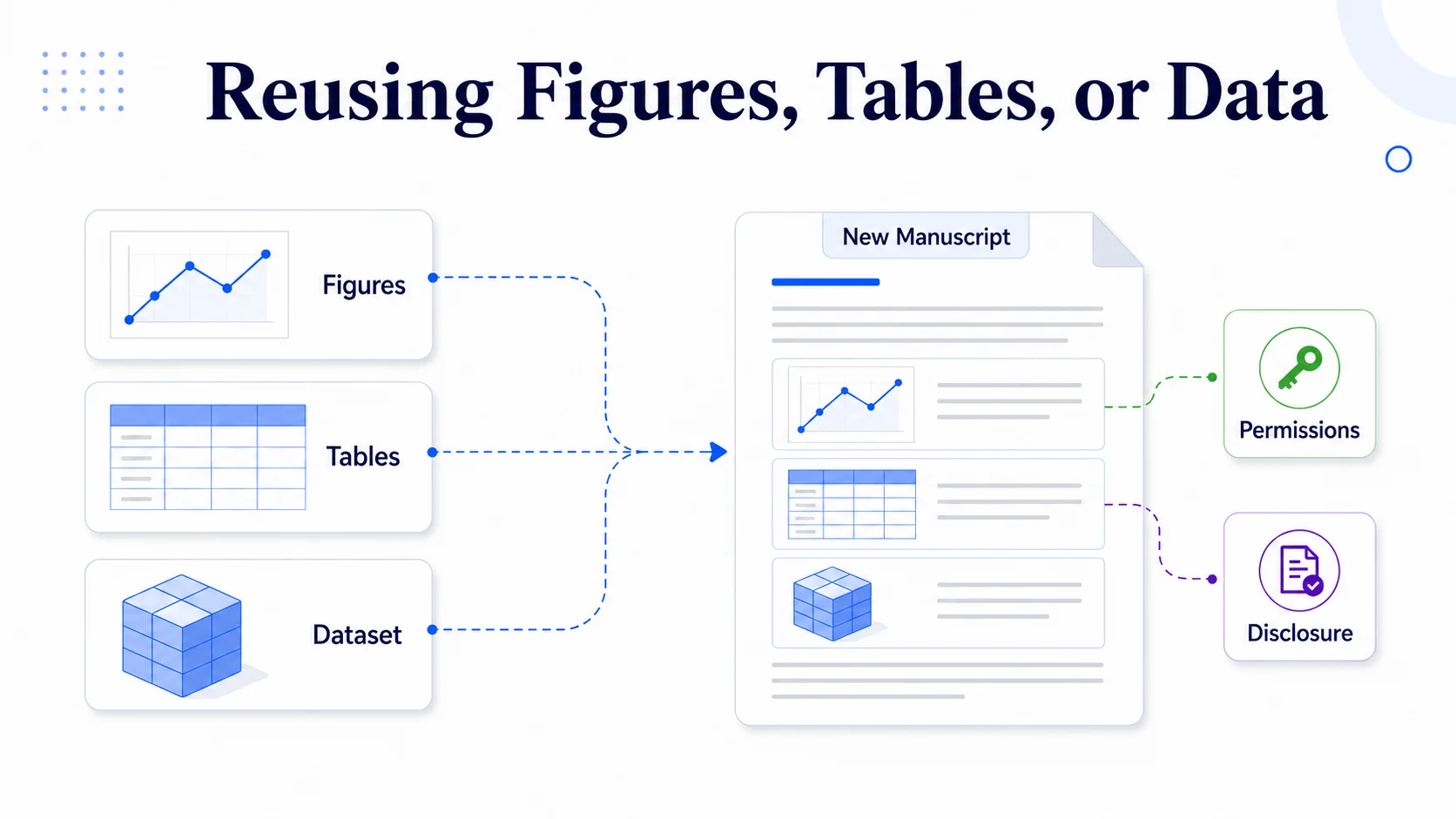
This is especially common in longitudinal or multi-phase studies. Problems arise when earlier publications connected to the same dataset are not clearly disclosed. Reusing published visuals may also create copyright issues because publishers often retain reproduction rights after publication.
5. Duplicate Submission to Multiple Journals
Duplicate submission occurs when authors submit the same or substantially similar manuscripts to more than one journal at the same time without informing the editors.
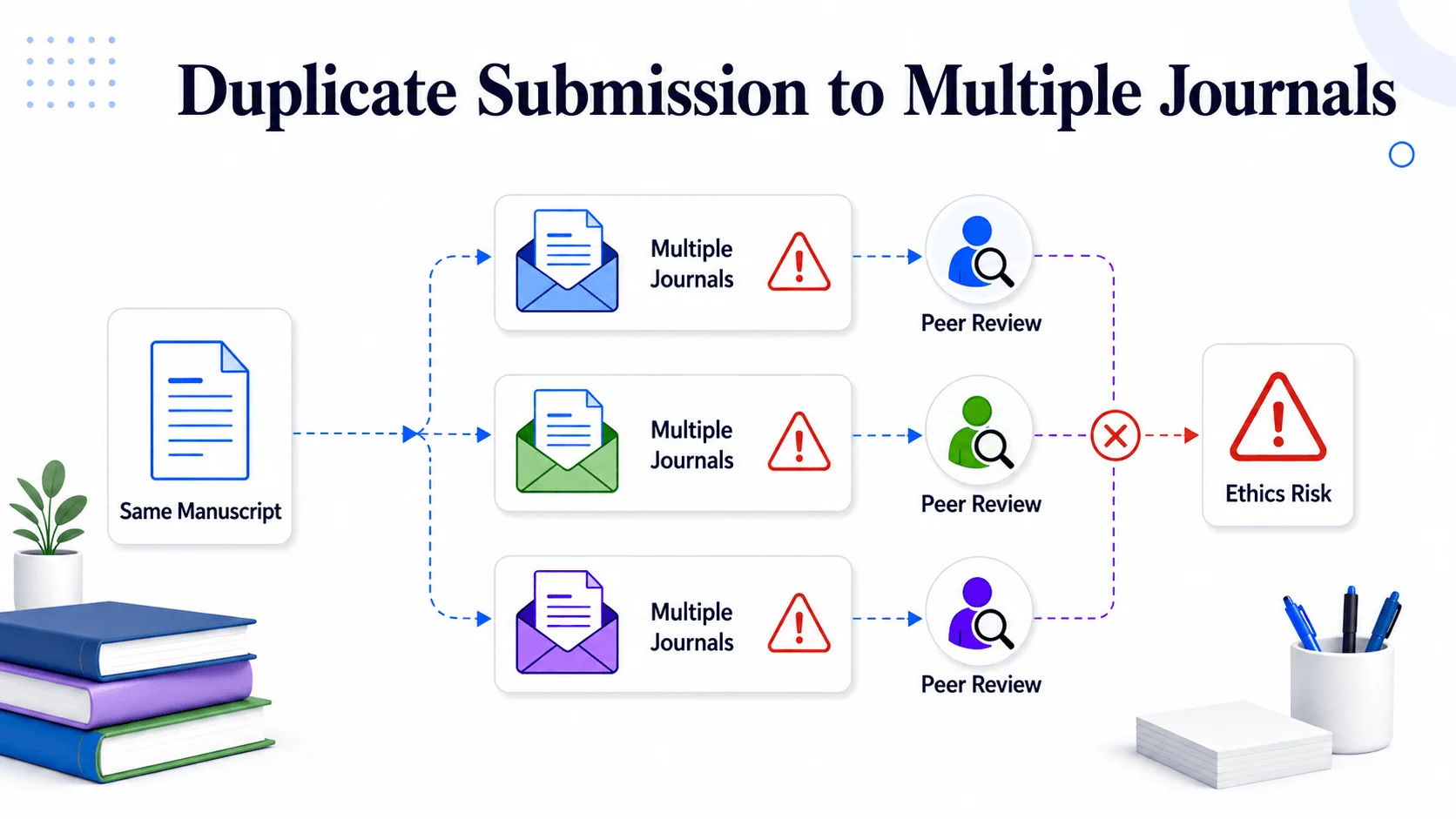
This practice is considered unethical because it wastes editorial and peer-review resources and may result in duplicate publication if multiple journals accept the manuscript simultaneously. Most academic journals require authors to confirm that a submission is not under consideration elsewhere.
6. Republishing Translated Work Without Disclosure
Self-plagiarism may also occur when authors republish previously published work in another language without proper disclosure or citation of the original publication.
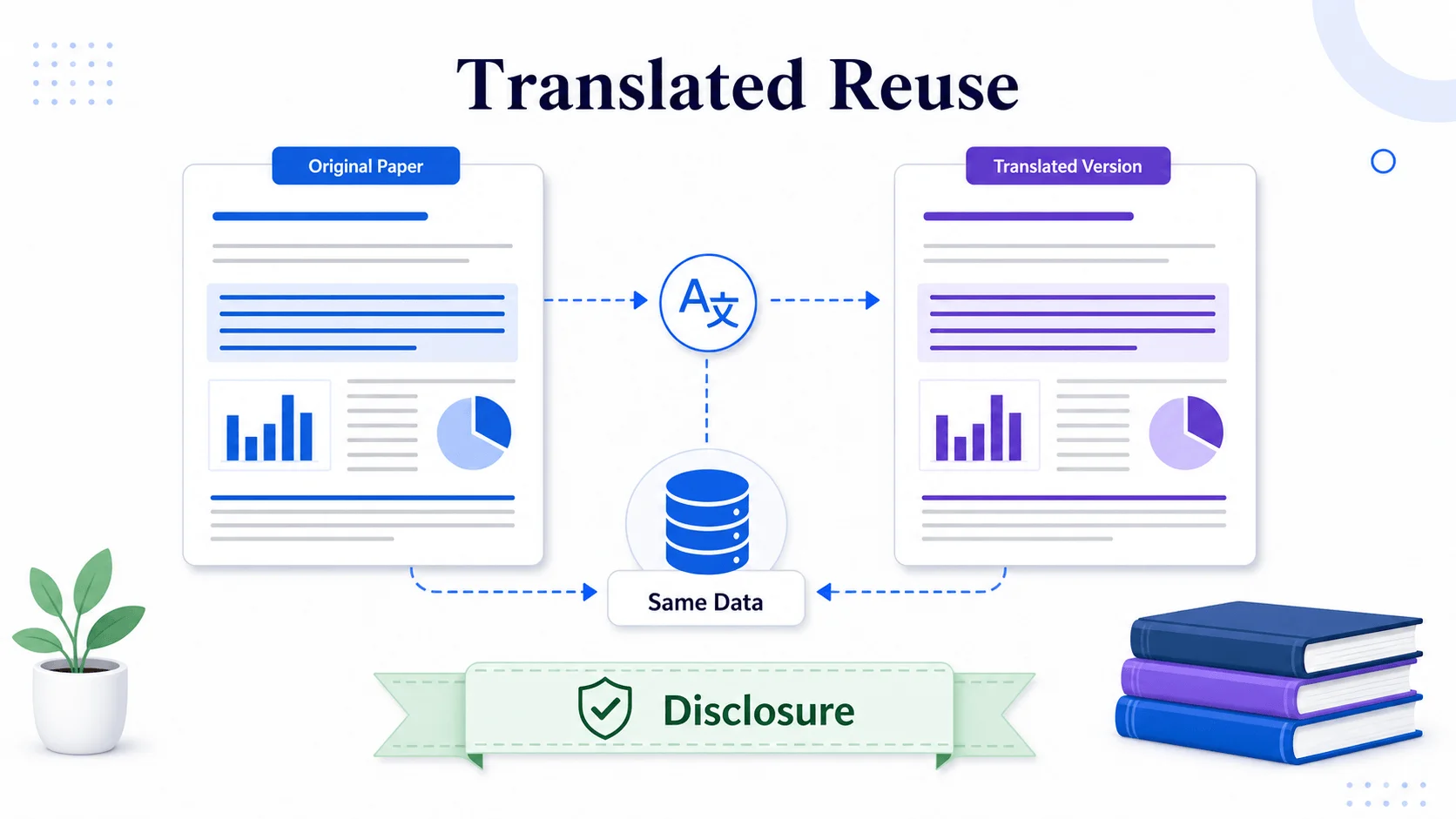
For example, a researcher may translate a paper published in one language into English and submit it to an international journal as new work. Even when the wording changes through translation, the underlying content, data, and conclusions may substantially overlap with the earlier publication.
Many journals permit secondary publication only when transparent disclosure and appropriate permissions are provided.
7. Reusing Previously Published Theoretical Frameworks or Paper Structures
In some cases, authors may substantially reuse the organization, conceptual framework, or analytical structure of earlier publications while presenting the manuscript as a new study.
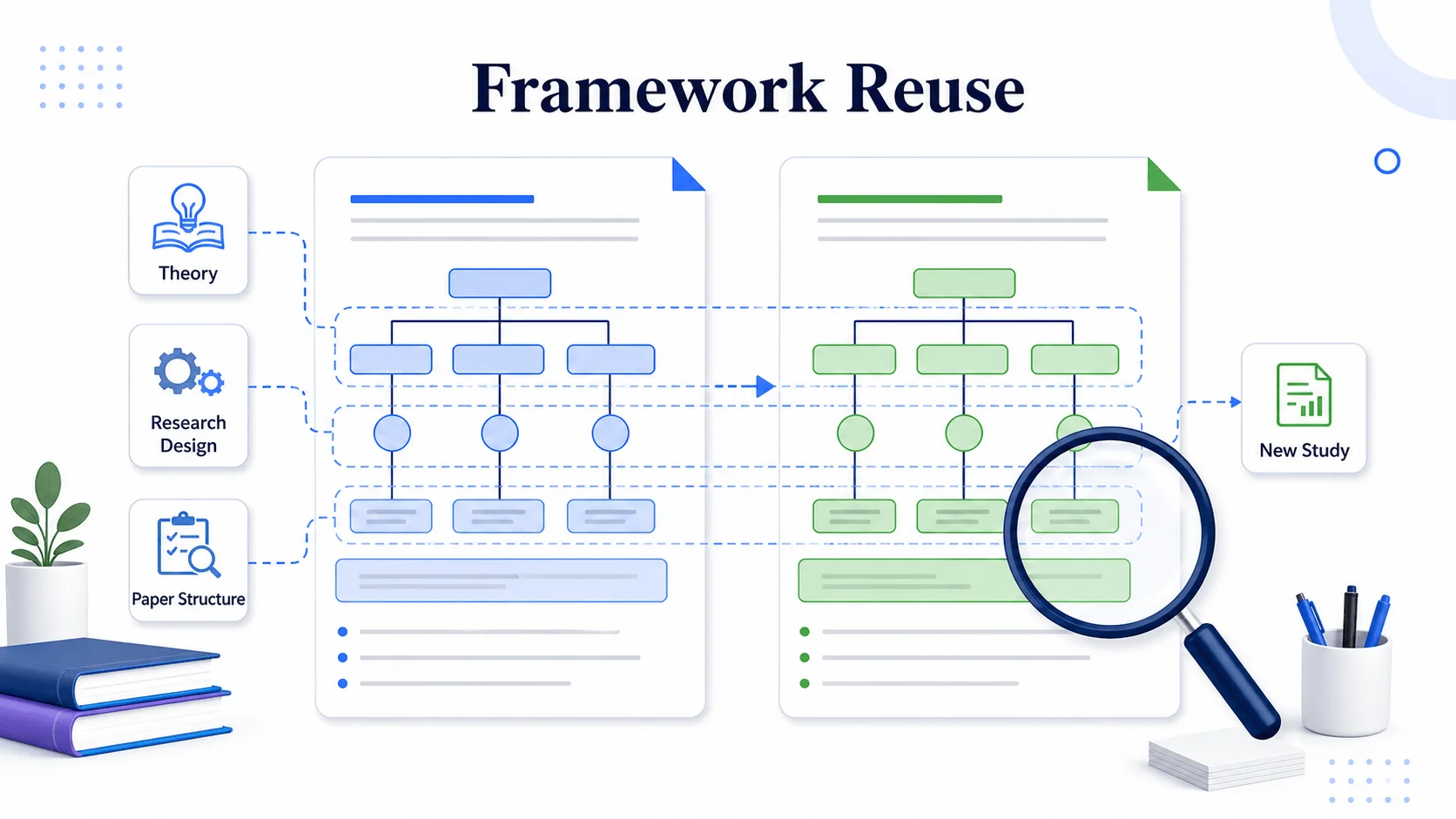
Although the wording may differ, the argument development, research design, or theoretical discussion may remain largely unchanged. This form of self-plagiarism is more difficult to detect because the overlap involves ideas and structure rather than direct textual copying.
8. Excessive Reuse of Thesis or Dissertation Material
Another form of self-plagiarism involves converting thesis or dissertation chapters into journal articles with minimal revision or disclosure.
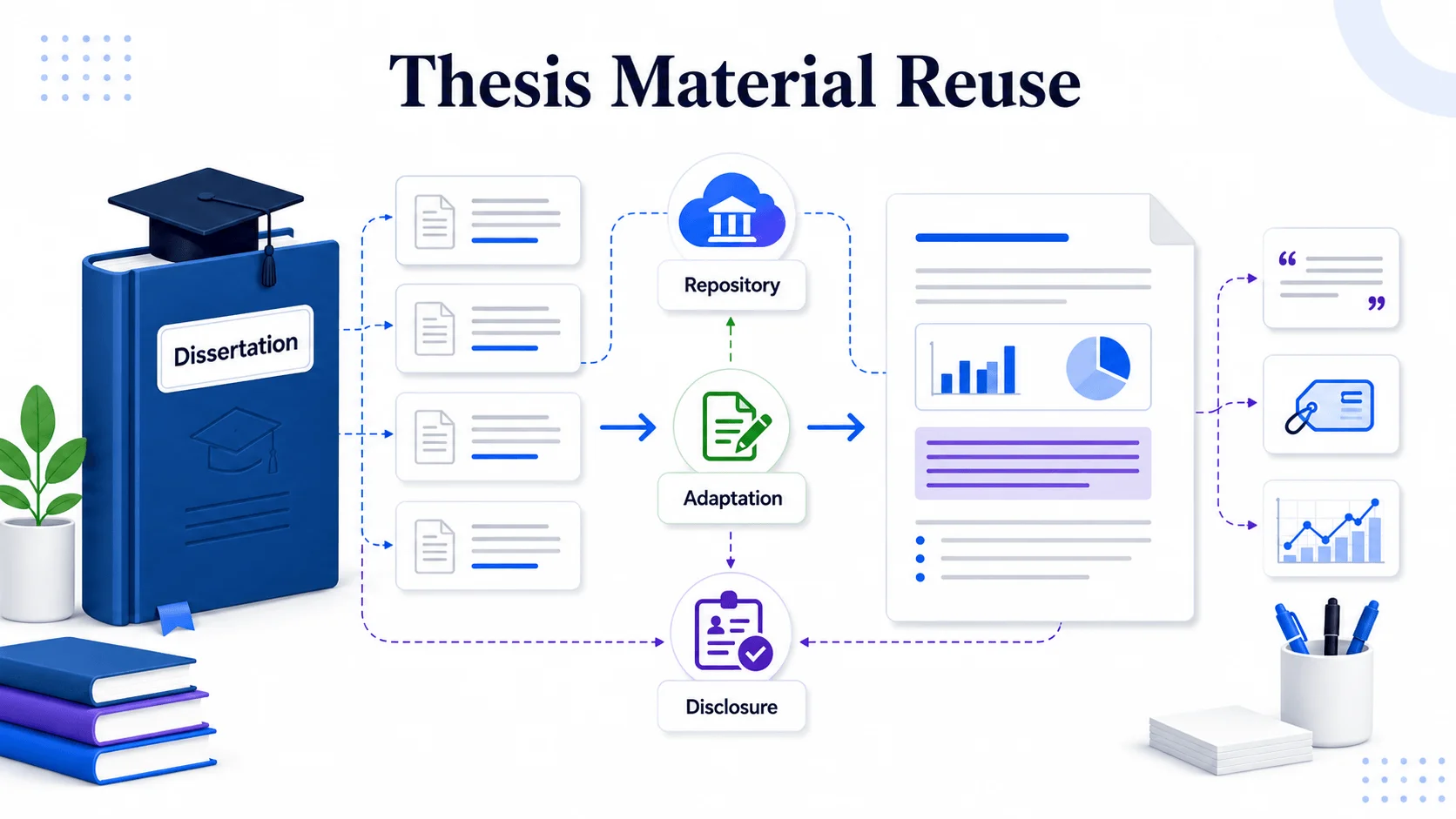
Because many universities now publish theses in online repositories, substantial overlap between a thesis and later journal submissions may raise ethical concerns if authors fail to acknowledge the original source. Journals often expect significant adaptation, updated analysis, or clear disclosure when thesis material is reused for publication.
These forms of self-plagiarism may vary across disciplines and publication contexts, but all raise concerns regarding research transparency, originality, and ethical academic practice.
Academic and Publishing Consequences of Self-Plagiarism
Self-plagiarism can create serious publishing and professional consequences, especially in academic environments where originality and transparency are central to research evaluation. Journals are not only assessing research quality, but also whether a manuscript provides a genuinely new scholarly contribution.
Concerns About Research Originality
A major concern is that recycled content may overstate the amount of original work being produced. In discussions among professors and researchers on Reddit, many describe self-plagiarism as problematic because it can make one study appear like multiple independent contributions.
Peer reviewers are also likely to react negatively when they discover substantial overlap with earlier publications that was not clearly disclosed.
Journal Screening and Submission Risks
Most academic journals now use similarity detection software during submission screening. Editors routinely check for reused text, duplicated figures, and overlapping datasets.
Even when authors reuse their own work, manuscripts may still face desk rejection if editors believe the overlap reduces the paper’s novelty or scientific contribution.
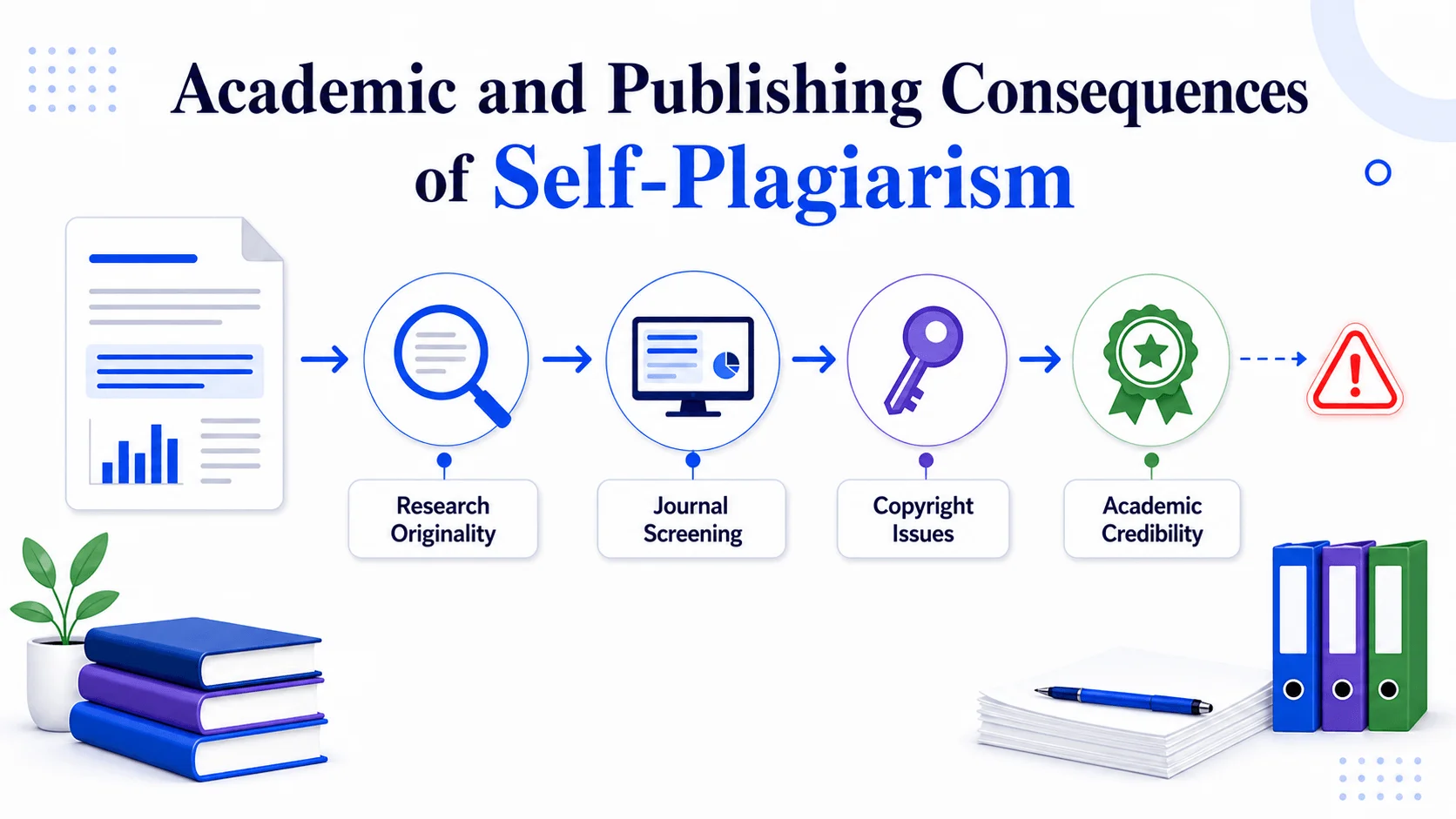
Copyright and Licensing Issues
Self-plagiarism may also create copyright complications. After publication, authors often transfer certain rights to publishers, meaning previously published text, tables, or figures cannot always be reused freely in later submissions.
Effects on Academic Credibility
In Reddit discussions about academic publishing, many researchers also emphasize that self-plagiarism can damage trust within the scholarly community. Repeated overlap across publications may affect professional reputation, future collaborations, and relationships with editors or publishers.
In more serious cases, institutions or journals may initiate formal ethics investigations when duplicate or highly overlapping publications are identified.
However, not all forms of reuse are considered unethical in academic publishing. In many disciplines, some overlap is expected when researchers work within the same long-term project or research agenda. What matters most is whether the reuse is transparent, limited, and properly disclosed.
What Is Usually Considered Acceptable Reuse?
Reusing Standard Methodology Descriptions
Method sections are one of the few areas where limited text reuse is sometimes acceptable. In highly technical fields, experimental procedures or analytical methods may be difficult to rewrite without reducing clarity or precision.
For this reason, some journals tolerate limited overlap when the methodology is highly standardized and scientifically accurate wording is important. However, the reuse should remain relatively brief and should not extend to large portions of the manuscript.
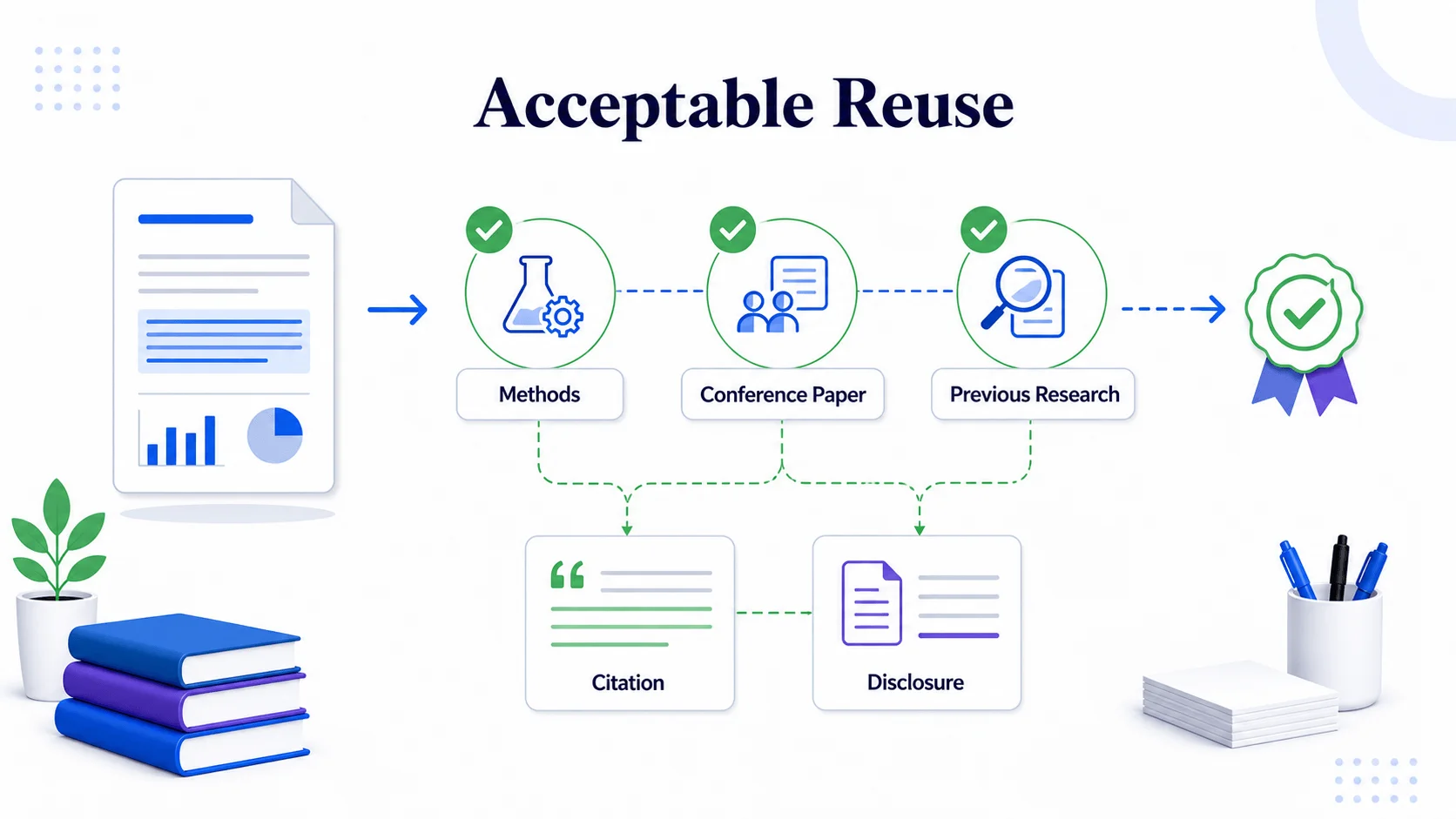
Expanding Conference Papers into Journal Articles
Turning a conference paper into a journal article is a common academic practice. Researchers often present preliminary findings at conferences before developing a more complete journal version.
Most journals expect authors to:
Disclose the earlier conference paper
Cite the original version
Add substantial new analysis or discussion
Clearly explain what has been expanded
Without meaningful additions, the submission may be viewed as redundant publication rather than a new contribution.
Building on Previous Research
Research continuity is a normal part of scholarly work. Researchers frequently build on earlier datasets, theoretical frameworks, or multi-phase studies.
In most cases, reuse becomes acceptable when authors clearly acknowledge related publications and explain the relationship between the old and new work. Proper self-citation and transparent disclosure are generally considered essential for avoiding self-plagiarism concerns.
Even when limited reuse is acceptable, researchers are still expected to manage overlap carefully and disclose related material appropriately.
How to Avoid Self Plagiarism
Avoiding self-plagiarism is largely about transparency and careful manuscript management. In research publishing, editors generally expect authors to clearly distinguish new contributions from previously disseminated material.
Cite and Disclose Previous Publications Clearly
Researchers should properly cite their earlier work whenever previously published text, datasets, figures, or findings are reused in a new manuscript.
This is especially important when:
Reusing data from earlier studies
Expanding conference papers into journal articles
Building on previously published analyses
Many journals also expect authors to disclose related publications during submission.
Limit Text Recycling Across Manuscripts
Reusing large blocks of text across papers can quickly trigger similarity detection systems, even when the content comes from the same author.
This issue commonly affects:
Introductions
Literature reviews
Discussion sections
Instead of copying earlier wording, researchers should update the framing, interpretation, and context of the new study to reflect its distinct contribution.
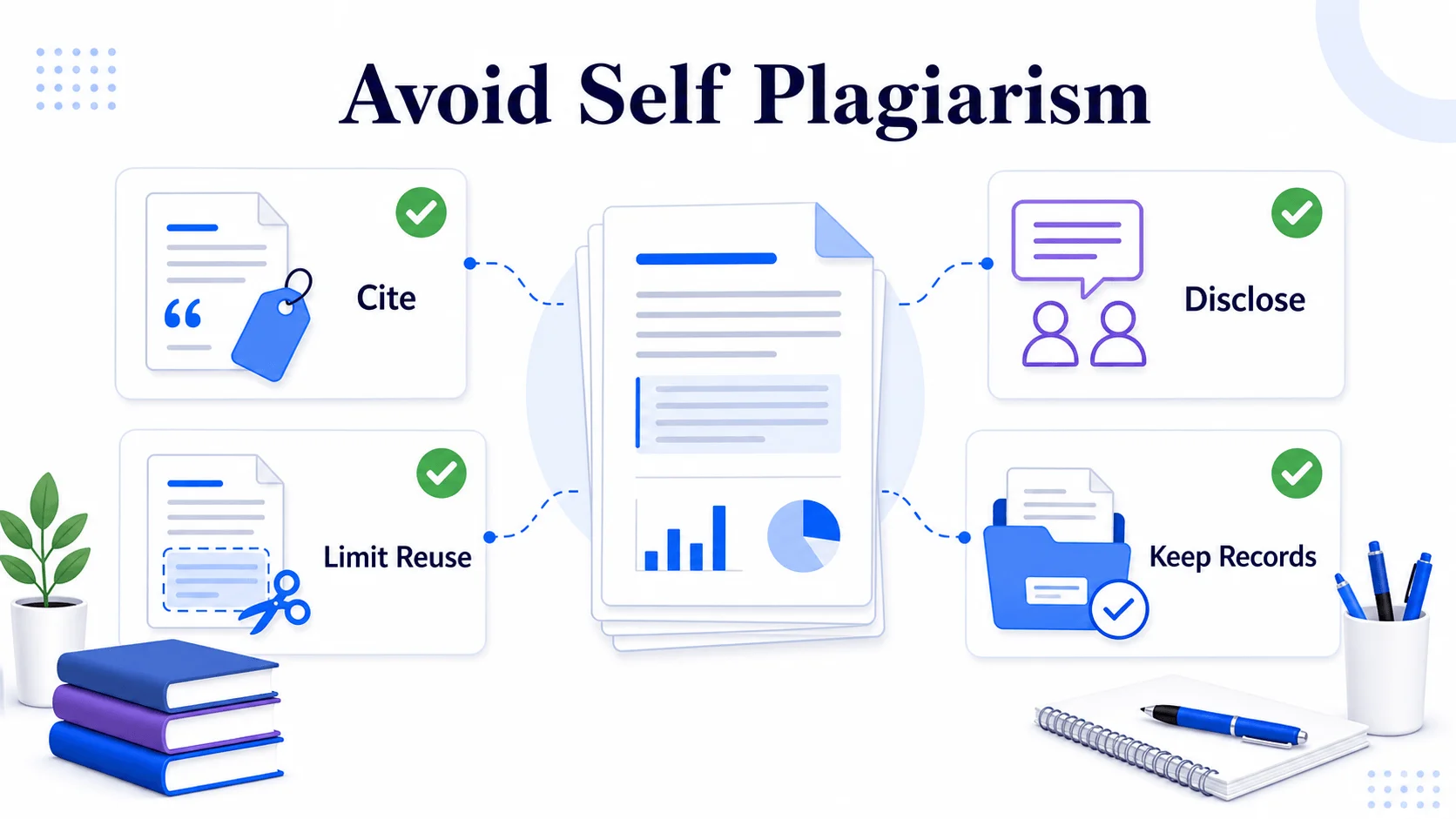
Be Transparent About Related Submissions
Editors generally respond more positively when overlap is disclosed proactively rather than discovered during review.
For closely related manuscripts, authors may need to:
Explain overlapping content in the cover letter
Provide copies of related papers
Clarify how the new manuscript differs from previous publications
Keep Records of Published Text, Data, and Figures
For active researchers managing multiple projects, tracking previously published material is essential.
Maintaining organized records of manuscripts, datasets, figures, and submission histories can help reduce accidental overlap and avoid duplicate publication issues.
Final Thoughts
Self-plagiarism is often more complicated than it first appears. In this article, we explored what it means, the most common forms it can take, and why certain types of content reuse may raise concerns in academic publishing.
At the same time, the issue is rarely black and white. Whether content reuse becomes problematic often depends on context, transparency, and journal expectations.
Hopefully, this guide has made the issue easier to understand.
FAQ
Is self plagiarism the same as regular plagiarism?
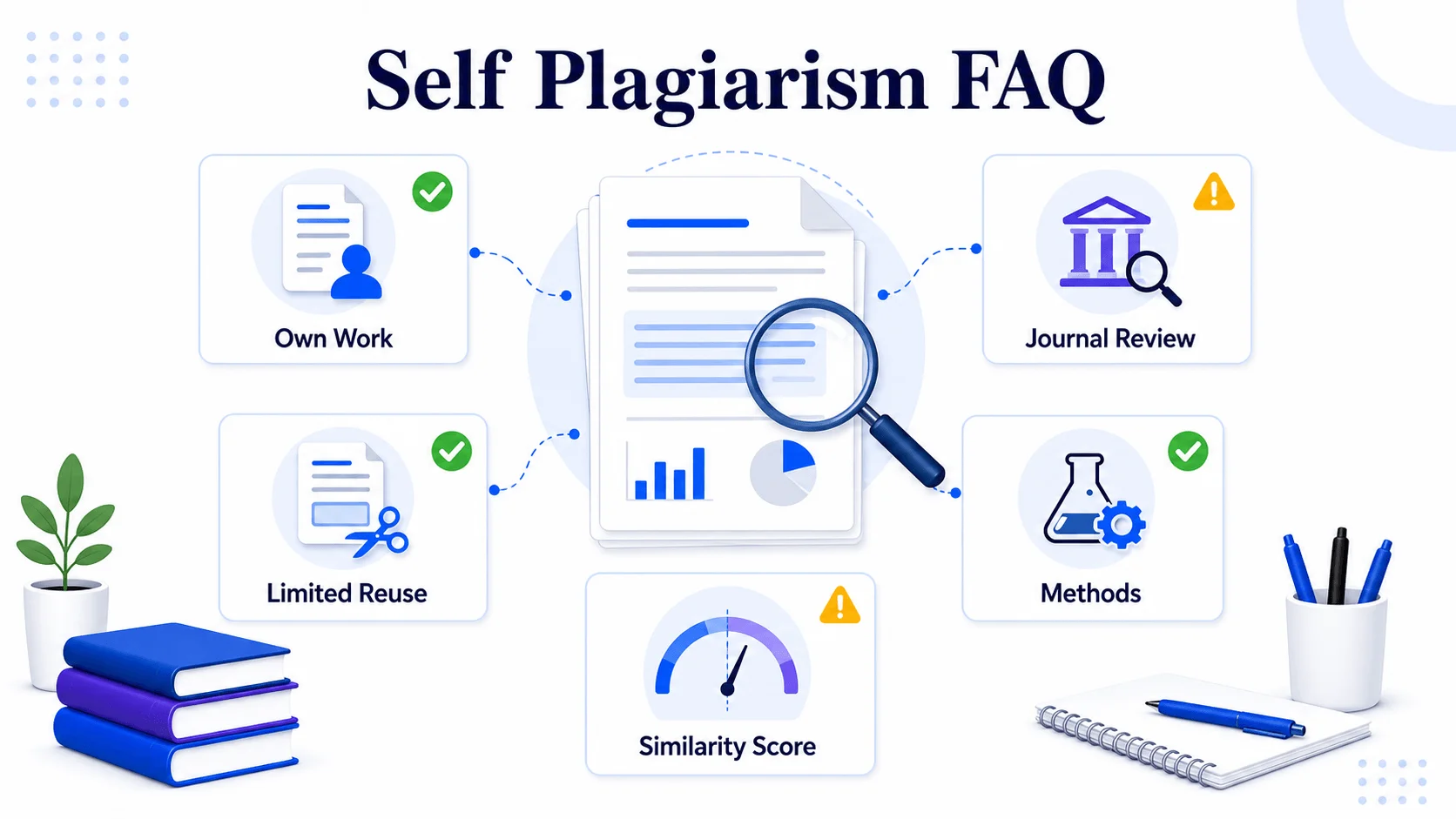
No. Regular plagiarism involves using someone else’s work without credit, while self-plagiarism involves reusing your own previously published content without disclosure.
Can I reuse parts of my previous paper?
Sometimes. Reusing limited content may be acceptable if the original work is properly cited and disclosed.
Do journals automatically reject papers for self plagiarism?
Not always. Journals usually evaluate the amount of overlap and whether the reused content was clearly acknowledged.
Is reusing a methodology section considered self plagiarism?
It can be. However, many journals allow limited overlap in methods sections because standard procedures are often described similarly.
What similarity score is considered acceptable?
There is no universal similarity threshold for self-plagiarism. Most journals evaluate similarity reports based on the type of overlap, where it appears in the manuscript, and whether the reused content was properly cited or disclosed.